
+
 wechat number:TWJJMM0618
wechat number:TWJJMM0618
Becoming a leader in the plastic packaging container industry
Shaping the Future, Inclusive of Everything
ESOS Helpline
0512-52557888



You Are Here:Home > News Center
> Industry Dynamics
News navigation
Recommended news
- Structure and Material Packaging Application of Multi-layer Vacuum Inner Bag Plastic Bottles
- Packaging Container Category: Structural and Application Property Analysis of PET Plastic Bottles
- What Packaging‑Material Items Can Be Developed On‑Demand?
- With the iterative upgrading of daily‑chemical packaging, can the 160 ml PP cream jar meet current r

Structure and Material Packaging Application of Multi-layer Vacuum Inner Bag Plastic Bottles
source:www.cssssy.com | Release time:2026-09-16
Industries including chemical engineering, biomedicine, food additives and special powder raw materials impose stringent requirements on packaging for material storage and transportation. Conventional single-layer plastic bottles feature poor barrier properties. Air and moisture easily penetrate the bottle wall during storage, triggering oxidation, moisture absorption and agglomeration of internal materials and resulting in material loss. Meanwhile, ordinary packaging containers have simple sealing structures and are prone to leakage and contamination during long-distance transport, failing to meet the long-term storage requirements of highly active and sensitive materials. Featuring a composite double-layer structure and vacuum sealing technology, plastic bottles with multi-layer vacuum inner bags overcome the drawbacks of traditional packaging containers and serve as specialized packaging products for material encapsulation, storage and transfer.
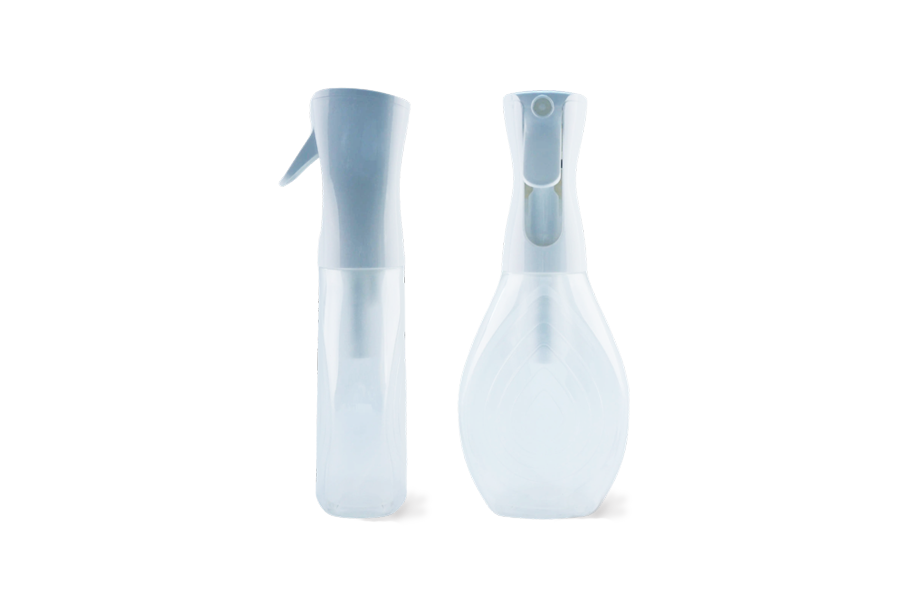
Plastic bottles with multi-layer vacuum inner bags adopt a dual composite structure consisting of an outer bottle and a vacuum inner bag. The outer layer is a high-strength rigid plastic bottle integrally formed by injection molding. The thick, robust bottle body delivers outstanding resistance to compression and impact. The outer bottle protects against damage from bumps, compression and friction, and blocks contamination from external dust and dirt. It provides physical protection for the inner bag and contents, suiting common conditions of logistics transportation and stacked storage and reducing material leakage caused by packaging damage.
A dedicated multi-layer composite vacuum inner bag is fitted inside the bottle. Fabricated by laminating multiple functional film layers, the inner bag differs from ordinary single-layer films. The tightly bonded dense film layers effectively block penetration by oxygen, moisture and ultraviolet light, mitigating the impact of external environmental factors on stored materials and slowing oxidation, moisture absorption and deterioration. It meets packaging and storage requirements for oxidizable, hygroscopic and photosensitive materials. A vacuum process is applied between the inner bag and outer bottle to extract air from the interlayer and form a vacuum barrier, further enhancing overall barrier performance.
The product adopts a separate sealing design. The bottle mouth is equipped with matched sealing caps and gaskets for tight closure, isolating air exchange between the inside and outside. The vacuum inner bag adapts to the bottle cavity automatically during material filling and emptying, minimizing residual air inside the bottle and maintaining an airtight storage environment. The complete sealing system supports repeated opening and long-term storage. Even after multiple material withdrawals, the internal airtight condition can be preserved, fitting factory workflows for partial material extraction and long-term stockpiling.
For material packaging applications, this type of plastic bottle accommodates materials in various forms including powder raw materials, liquid reagents, paste additives and chemical raw materials. In the chemical sector, it can store various auxiliaries, solvents and powder pigments to reduce deterioration caused by contact with air. In the biological reagent sector, it supports light-proof sealed storage for laboratory reagents and biological raw materials, satisfying material management needs in laboratories and production workshops. In the food industry, it is used for storage and transport of food additives and functional powders, complying with hygienic storage standards.
Made of stable materials with no harmful substance precipitation, the product meets packaging requirements for high-purity materials. The bottle material is acid and alkali resistant as well as corrosion resistant. Compatible with most chemical materials, it will not chemically react with contents and preserves the original properties of materials. The neatly shaped, smooth bottle surface supports label application to facilitate classified material management and standardized warehouse workflows.
Lightweight compared with metal and glass packaging containers, the bottle simplifies handling, stacking and transportation, cutting labor and freight costs for logistics. Resistant to high and low temperature fluctuations in typical warehouse environments, the bottle is less susceptible to deformation, cracking and aging. Standardized dimensions suit stacking on conventional warehouse racks and loading into shipping cases. It supports bulk material storage and large-scale transfer, aligning with packaging, storage and transportation trends across multiple industries.
Previous:
period
Next:
Packaging Container Category: Structural and Appl…

- CHANGSHU SHINE PLASTIC INDUSTRY CO.,LTD Phone:0512-52557888 Mailbox:shenshisuye@163.com Company address:No. 20 Guangyuan Road, South Development Zone, Zhitang Town, Changshu City, Jiangsu Province
-
 Scan your phone
 home
home
 WeChat
 telephone