
+
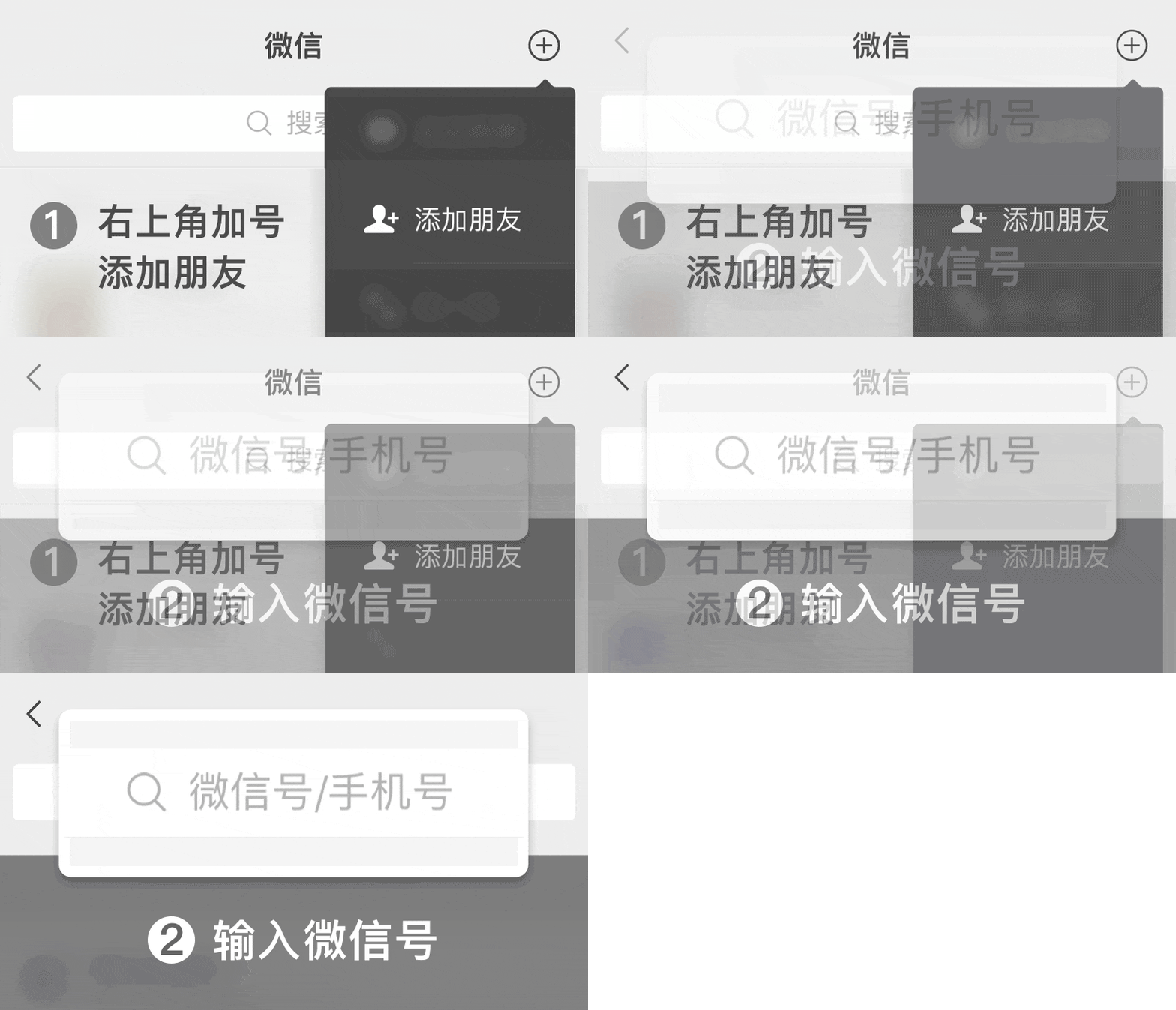
 wechat number:TWJJMM0618
wechat number:TWJJMM0618
Becoming a leader in the plastic packaging container industry
Shaping the Future, Inclusive of Everything
ESOS Helpline
0512-52557888



You Are Here:Home > News Center
> Industry Dynamics
News navigation
Recommended news
- What food material packaging conditions are PET plastic bottles suitable for?
- Custom Daily Chemical Plastic Bottles for Personal Care New Product Development
- 90ml Sustainable Spray Bottle, Recyclable Plastic Packaging Container for Skincare & Personal Care i
- Sustainable Series Daily Chemical Spray Bottles, Recyclable Skincare & Wash Spray Containers

- [2026-11-11]
What food material packaging conditions are PET plastic bottles suitable for?
During food production, packaging containers must deliver barrier protection, filling compatibility and storage & transportation safety throughout material filling, warehousing and long-distance transit. Glass containers are heavy and prone to cracking upon impact during handling; certain plastic containers have poor light transmission, making it impossible to directly inspect material conditions.
- [2026-10-22]
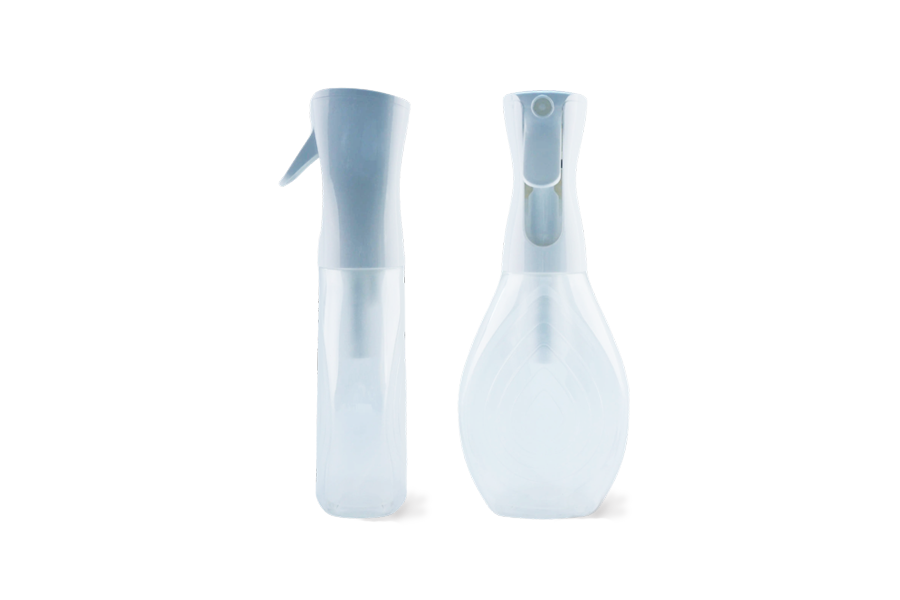
Sustainable Series Daily Chemical Spray Bottles, Recyclable Skincare & Wash Spray Containers
In the packaging stage of daily chemical products, spray containers are widely used for facial toners, setting sprays, cleaning sprays, disinfectant sprays and other goods. Spray bottles atomize liquid for ejection through pump structures to deliver convenient application. However, some packaging is made of composite multi-materials, which creates great difficulty in material separation during rec
- [2026-10-14]
Daily Chemical Plastic Bottles, Custom Bottle Silk-screen Printing & Fabrication for Personal Care P
The product portfolio in the personal care market keeps expanding, and packaging containers directly affect shelf presentation and user experience. Liquid daily chemical products such as shampoo, body wash and hand sanitizer impose varying requirements on bottle material, sealing performance and appearance design.
- [2026-10-08]
180ml Sustainable Recyclable Spray Bottle for Skincare and Washing Products
The beauty, skincare and home care industries keep advancing toward greener and more eco-friendly solutions. Recyclability and low-carbon features of packaging materials have become core considerations for material selection. Conventional spray packaging mostly adopts composite material structures. Mixed materials are hard to separate for recycling, so most packages are discarded after use, genera
- [2026-09-28]
SS24-24-100 PET Plastic Bottle, PET Container for Cosmetic & Personal Care Packaging
Packaging for daily chemical and skincare products must not only hold contents but also balance visual appeal, material safety and processing compatibility. With the continuous growth of the beauty and personal care market, manufacturers have raised their requirements for the texture and material stability of packaging containers. Thanks to its lightweight and corrosion-resistant properties, PET p
- [2026-09-16]
Structure and Material Packaging Application of Multi-layer Vacuum Inner Bag Plastic Bottles
Industries including chemical engineering, biomedicine, food additives and special powder raw materials impose stringent requirements on packaging for material storage and transportation. Conventional single-layer plastic bottles feature poor barrier properties. Air and moisture easily penetrate the bottle wall during storage, triggering oxidation, moisture absorption and agglomeration of internal
- [2026-09-10]
Packaging Container Category: Structural and Application Property Analysis of PET Plastic Bottles
During the storage and transfer of liquid materials, the material performance and structural design of packaging containers affect filling operations, material storage and product display effects. Relying on the physical and chemical properties of polyester materials, PET plastic bottles have become commonly used packaging containers in beverage, daily chemical, condiment and other industries. Our
- [2026-09-03]
What Packaging‑Material Items Can Be Developed On‑Demand?
Driven by rapid iteration in the daily‑chemical consumer market, formulas and visual styles of hair‑care, skin‑care and cleaning products keep evolving. Standard off‑the‑shelf plastic bottles can hardly meet launch requirements for new‑release products.
- [2026-08-29]
With the iterative upgrading of daily‑chemical packaging, can the 160 ml PP cream jar meet current r
Evolving consumer‑market demands drive continuous iteration in the daily‑chemical packaging sector. Major skincare and personal‑care manufacturers keep adjusting their product portfolios. Orders for large‑capacity household pastes and salon‑use care products are gradually increasing, placing multi‑dimensional requirements on packaging containers. Many manufacturers face dilemmas during container s
- [2025-12-29]
What are the main advantages of aerosol cans
Aerosol can is a special container that integrates the functions of packaging container and pressure injection. With the pressure generated by the propellant in the tank, the contents can be atomized and sprayed into fog, foam or column shape. With the four core advantages of convenience, sealing, adaptability and correctness, it is widely used in many fields, such as daily chemical, medicine, ind

- CHANGSHU SHINE PLASTIC INDUSTRY CO.,LTD Phone:0512-52557888 Mailbox:shenshisuye@163.com Company address:No. 20 Guangyuan Road, South Development Zone, Zhitang Town, Changshu City, Jiangsu Province
-
 Scan your phone
 home
 WeChat
 telephone